

Top Indicators That Your Awning Requires Repair or Replacement

An awning adds charm and functionality to any outdoor space. It provides shade, protects from rain, and enhances curb appeal. But like any outdoor fixture, awnings face wear and tear from weather, sun exposure, and daily use. Knowing when your awning needs repair or replacement can save you money and prevent further damage to your home or business. This guide highlights the most common signs that your awning requires attention.
Visible Damage to the Fabric
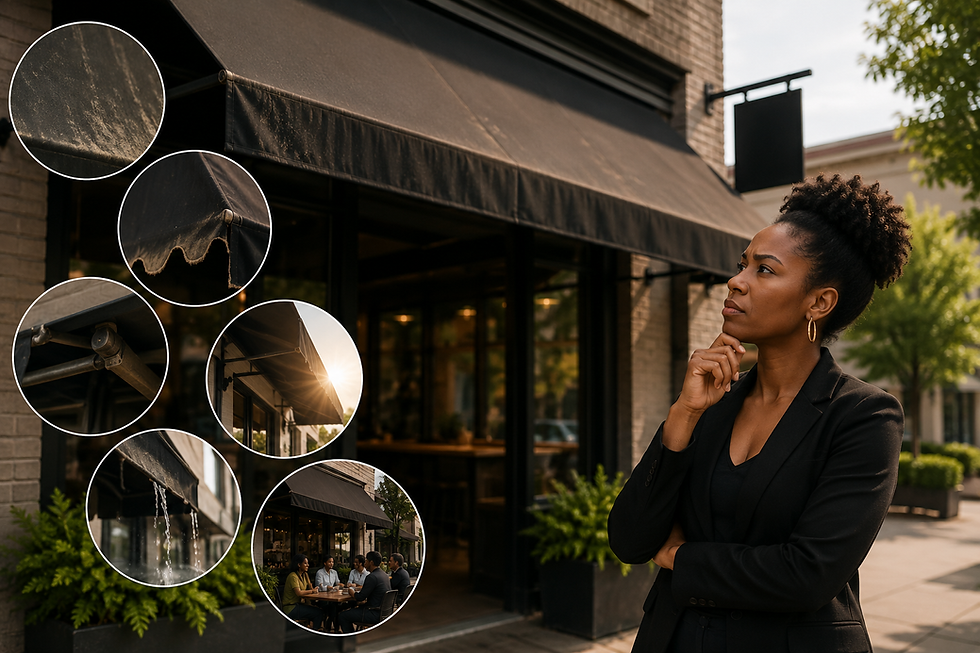
The fabric of your awning is the first line of defense against the elements. Over time, it can suffer from:
Tears and holes: Small rips can quickly grow larger if left untreated.
Fading or discoloration: Sun exposure can bleach colors, making the awning look old and worn.
Mold or mildew spots: Moisture trapped in the fabric encourages mold growth, which weakens the material.
If you notice any of these issues, it’s a clear sign your awning fabric needs repair or replacement. Repairing small tears early can extend the life of the fabric, but extensive damage usually means replacement is the better option.
Frame Problems Affecting Stability
The frame supports the fabric and keeps the awning secure. Watch for these frame issues:
Bent or broken arms: Strong winds or accidental impacts can bend or snap frame components.
Rust or corrosion: Metal frames exposed to rain and humidity may rust, weakening the structure.
Loose joints or bolts: Over time, connections can loosen, causing instability.
A shaky or damaged frame compromises safety and function. Minor rust spots can be treated, and loose bolts tightened, but major frame damage often requires professional replacement.
Awning Does Not Retract or Extend Properly
Many awnings have retractable mechanisms for convenience. Signs that the mechanism is failing include:
Difficulty extending or retracting: The awning may get stuck or require extra force.
Unusual noises: Grinding or squeaking sounds indicate worn gears or motor issues.
Partial extension or retraction: The awning may stop midway and not fully open or close.
Mechanical problems can sometimes be fixed with lubrication or part replacement. However, if the mechanism is old or severely damaged, replacing the entire awning might be more cost-effective.
Water Pooling or Drainage Issues
An awning should shed water efficiently. If water pools on the fabric or drips excessively, it can cause:
Fabric sagging: Water weight stretches and weakens the material.
Increased mold growth: Standing water encourages mildew.
Damage to surrounding areas: Water dripping near walls or windows can cause stains or rot.
Check the pitch and tension of your awning. Adjustments can improve drainage, but persistent pooling often means the fabric or frame needs repair or replacement.
Excessive Wear from Sun and Weather
Sunlight, wind, rain, and snow all take a toll on awnings. Signs of weather-related wear include:
Cracks or brittleness in vinyl or acrylic fabrics
Faded colors that no longer protect against UV rays
Warped or weakened frame parts
If your awning looks tired and no longer provides adequate shade or protection, it’s time to consider repair or replacement. Newer materials offer better durability and UV resistance.
Safety Concerns and Structural Integrity
A damaged awning can pose safety risks. Look out for:
Sagging or drooping sections
Unstable mounting points
Loose or hanging parts
If your awning feels unsafe, avoid using it until a professional inspects and repairs it. Ignoring safety issues can lead to accidents or property damage.
Signs of Aging and Outdated Style
Sometimes, the need for replacement is not just about damage but aesthetics and functionality. Older awnings may:
No longer match your home’s style
Lack modern features like motorized controls or weather sensors
Have outdated materials that wear out faster
Upgrading your awning can improve your outdoor space’s look and add convenience.
When to Call a Professional

If you notice any of these signs, it’s wise to consult an awning specialist. They can:
Assess the extent of damage
Recommend repair or replacement options
Provide cost estimates and timelines
Ensure safe installation and maintenance
DIY fixes might work for minor issues, but professionals ensure long-lasting results.


Comments