

Awnings and Canopies for Events: Understanding the Key Differences and Benefits

When planning an outdoor event, choosing the right type of shelter can make a big difference. Awnings and canopies both offer protection from sun and rain, but they serve different purposes and come with distinct advantages. Knowing how they differ helps event organizers select the best option to enhance guest comfort and event success.
What Are Awnings and Canopies?
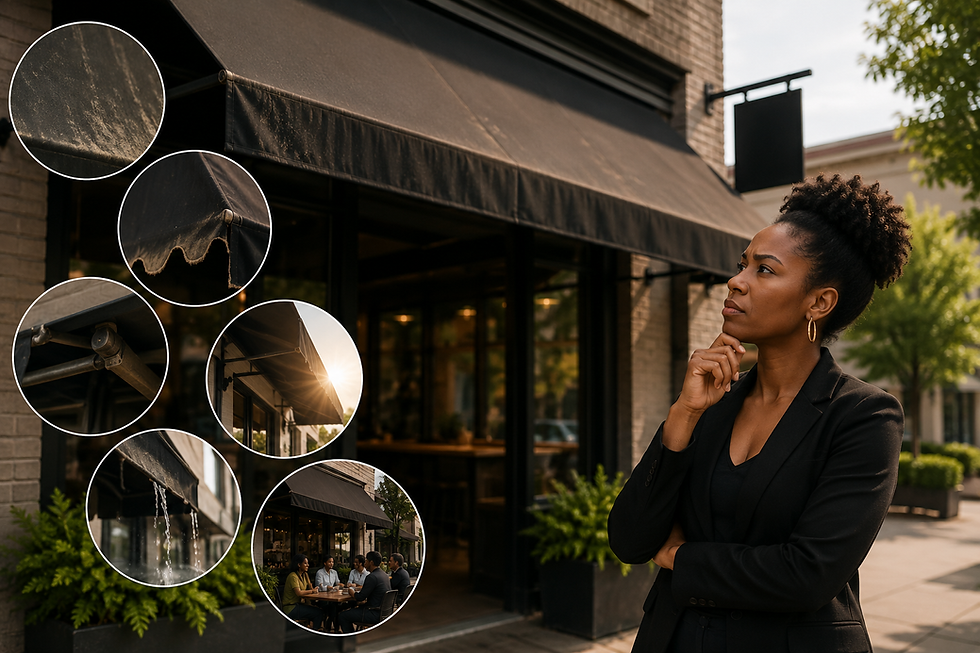
Awnings are fixed or retractable coverings attached to a building or structure. They usually extend from walls or windows and provide shade or shelter directly adjacent to the building. Awnings often have a frame made of metal or wood and fabric stretched over it.
Canopies, by contrast, are freestanding structures that stand independently on legs or poles. They can be set up anywhere, making them highly versatile for temporary outdoor events. Canopies typically have a fabric roof supported by a frame and do not require attachment to a building.

Key Differences Between Awnings and Canopies
Understanding the main differences helps clarify which option fits your event needs better.
Attachment
Awnings attach to buildings, while canopies stand alone.
Mobility
Canopies are portable and easy to move or remove. Awnings are usually permanent or semi-permanent.
Size and Coverage
Canopies often cover larger areas and can be customized in size. Awnings tend to cover smaller spaces like patios or doorways.
Setup Time
Canopies require assembly and disassembly. Awnings are ready to use once installed.
Durability
Awnings are built for long-term use and can withstand weather better. Canopies are designed for temporary use and may not last through harsh conditions.
Benefits of Using Awnings for Events
Awnings offer several advantages, especially when your event is near a building or requires a permanent shelter solution.
Permanent Shade and Shelter
Awnings provide consistent protection from sun and rain, ideal for venues with outdoor seating or entryways.
Aesthetic Appeal
They can enhance the look of a building with custom colors and styles, adding charm to the event space.
Energy Efficiency
By shading windows and doors, awnings reduce heat inside buildings, which can be beneficial during warm-weather events.
Low Maintenance
Once installed, awnings require minimal upkeep, making them a hassle-free option for recurring events.
For example, a restaurant hosting outdoor dining events often uses awnings to create a comfortable, shaded area for guests while maintaining an elegant appearance.
Benefits of Using Canopies for Events
Canopies shine when flexibility and quick setup are priorities.
Portability and Flexibility
Canopies can be moved and placed anywhere, perfect for festivals, fairs, or weddings held in open spaces.
Customizable Size and Shape
They come in various sizes and styles, including pop-up tents, frame tents, and pagodas, allowing organizers to tailor coverage.
Easy Setup and Breakdown
Many canopies feature quick-assembly designs, saving time during event preparation and teardown.
Cost-Effective Temporary Shelter
Renting or purchasing canopies is often more affordable for short-term use compared to installing permanent structures.
For instance, a community fair might use several canopies to create vendor booths and shaded seating areas that can be arranged as needed.
Choosing the Right Option for Your Event
Selecting between awnings and canopies depends on several factors:
Event Duration
For long-term or recurring events at a fixed location, awnings are a smart investment. For one-time or short events, canopies offer convenience.
Location
If your event is near a building, awnings provide seamless coverage. For open fields or parks, canopies offer the freedom to set up anywhere.
Weather Considerations
Awnings generally handle wind and rain better. Canopies may need additional anchoring or weatherproofing for adverse conditions.
Budget
Canopies usually cost less upfront and can be rented, while awnings require installation and higher initial costs.
Aesthetic Needs
Awnings can complement building architecture, while canopies offer more variety in colors and shapes for creative event themes.
Practical Tips for Using Awnings and Canopies
Check Local Regulations
Some areas require permits for temporary structures like canopies.
Consider Safety
Secure canopies with weights or stakes, especially in windy conditions.
Plan for Accessibility
Ensure awnings or canopies do not block entrances or emergency exits.
Think About Lighting and Ventilation
Both options can affect airflow and natural light, so plan accordingly.
Use Quality Materials
Choose fabrics that resist UV rays and water to protect guests and extend the life of your shelter.


Comments