

Smart Awnings with Sensors: The Future of Outdoor Comfort

Outdoor spaces have become essential extensions of our homes, offering places to relax, entertain, and enjoy fresh air. Yet, unpredictable weather and intense sunlight often limit how much we can use these areas comfortably. Smart awnings with sensors are changing this by adapting automatically to conditions, making outdoor living more enjoyable and convenient than ever before.

How Smart Awnings Work
Smart awnings combine traditional shading with modern technology. Sensors detect environmental factors such as sunlight, wind, and rain. Based on this data, the awning adjusts itself—extending to provide shade when the sun is strong, retracting during high winds to prevent damage, or closing automatically when it starts to rain.
These systems often connect to home automation platforms or apps, allowing users to control them remotely or set preferences for automatic operation. This hands-free approach means you don’t have to rush outside to adjust the awning when the weather changes.
Benefits of Sensor-Equipped Awnings
Enhanced Comfort
By responding instantly to sunlight and weather changes, smart awnings maintain a comfortable outdoor environment. They reduce glare and heat during hot days, making patios and decks usable even in peak sun hours. When clouds roll in or rain begins, the awning retracts or closes, protecting furniture and keeping the area dry.
Energy Savings
Smart awnings can help reduce indoor cooling costs. By shading windows and doors, they limit the amount of heat entering the home. This natural cooling effect means air conditioners run less, lowering energy bills and reducing environmental impact.
Increased Awning Lifespan
Sensors protect the awning from damage by retracting it during strong winds or storms. This automatic response prevents wear and tear, extending the product’s life and saving money on repairs or replacements.
Convenience and Safety
Automation removes the need to manually adjust the awning, which can be difficult or unsafe during bad weather. Some systems include safety features that stop movement if obstacles are detected, preventing accidents.
Practical Examples of Smart Awnings in Use
Residential patios: Homeowners enjoy shaded outdoor dining areas without worrying about sudden weather changes. The awning extends as the sun rises and retracts when wind speeds increase.
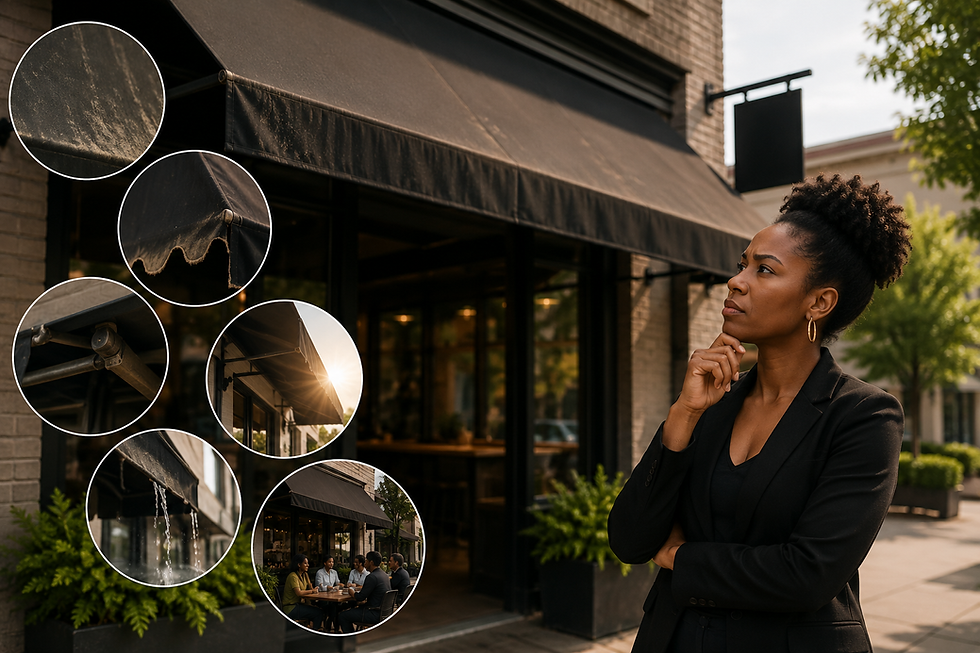
Cafés and restaurants: Businesses use sensor-equipped awnings to provide comfortable seating for customers while protecting outdoor furniture from rain or wind damage.
Poolside areas: Smart awnings create shaded spots for relaxation and protect poolside furniture from sun damage, adjusting automatically throughout the day.
Choosing the Right Smart Awning
When selecting a smart awning, consider these factors:
Sensor types: Look for awnings with multiple sensors (sunlight, wind, rain) for comprehensive protection.
Control options: Check if the system supports remote control via smartphone apps or integrates with existing smart home devices.
Material quality: Durable fabrics and sturdy frames ensure the awning withstands weather conditions.
Installation and maintenance: Professional installation is recommended to ensure sensors and mechanisms work correctly. Also, consider ease of maintenance.
Future Trends in Outdoor Comfort
Smart awnings are part of a growing trend toward connected outdoor living. Future models may include features like:
Voice control: Integration with voice assistants for hands-free operation.
Energy harvesting: Solar panels on awnings to power sensors and motors.
Advanced weather prediction: Using data from weather services to preemptively adjust awnings.
These innovations will make outdoor spaces even more adaptable and user-friendly.
#OutdoorShading #ShadeSolutions #AwningDesign #OutdoorComfort #EnergyEfficientHome #HeatReduction #ClimateSmart #SustainableLiving


Comments