

5 Key Indicators Your Business Should Consider an Awning Upgrade

Every business owner wants to create an inviting storefront that attracts customers and protects their property. An awning plays a crucial role in this by providing shade, shelter, and style. But how do you know when it’s time to upgrade your awning? Waiting too long can hurt your business’s curb appeal and functionality. Here are five clear signs that your business should consider an awning upgrade.
Your Awning Shows Visible Wear and Tear
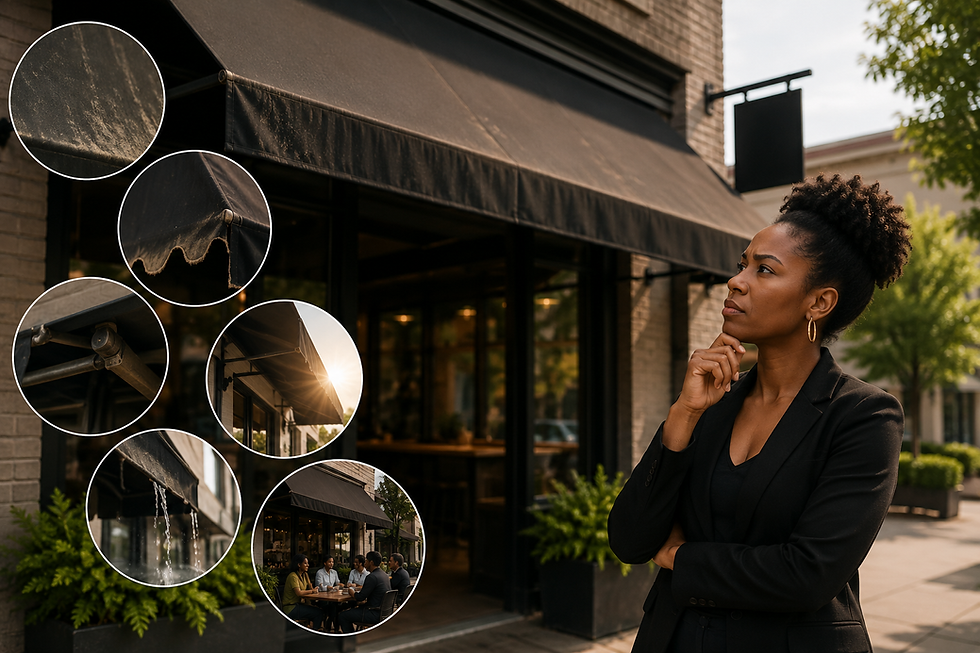
One of the most obvious signs that your awning needs an upgrade is visible damage. Over time, exposure to sun, rain, wind, and pollution can cause fabric to fade, tear, or sag. Metal or frame components may rust or weaken. If your awning looks worn out, it sends the wrong message to customers about your business’s attention to detail.
Examples of wear and tear include:
Faded or discolored fabric that no longer matches your brand colors
Tears, holes, or frayed edges in the material
Rust spots or corrosion on metal parts
Loose or bent frames causing the awning to sag or hang unevenly
Replacing an old awning with a fresh, durable one can instantly improve your storefront’s appearance and protect your building from weather damage.
Your Current Awning Does Not Provide Enough Shade or Shelter
If customers or employees complain about sun glare or rain getting inside your entrance, your awning might be too small or poorly positioned. An awning’s main purpose is to shield people from the elements. When it fails to do that, it reduces comfort and convenience.
Consider upgrading if:
The awning covers only a small portion of your sidewalk or entrance
It does not extend far enough to block harsh sunlight during peak hours
Rainwater drips or pools near your doorway despite the awning
You want to create an outdoor seating or display area that needs protection
A larger or adjustable awning can improve customer experience and encourage more foot traffic.
Your Business Has Rebranded or Changed Its Style
Your awning is part of your business’s visual identity. If you have updated your logo, color scheme, or overall style, your old awning might look outdated or clash with your new branding. Consistency in design helps customers recognize and remember your business.
Signs you need an upgrade for branding reasons:
Your awning colors no longer match your current logo or signage
The style or shape of the awning feels old-fashioned compared to your new look
You want to add your business name or logo to the awning for better visibility
Your competitors have modern awnings that make your storefront look less appealing
Upgrading your awning to reflect your brand can boost your professional image and attract the right customers.
Your Awning Is Difficult to Maintain or Repair
Some older awnings require frequent repairs or special cleaning methods that take time and money. If you find yourself constantly fixing the same issues or paying high maintenance costs, it might be more cost-effective to invest in a new awning made from modern, low-maintenance materials.
Consider an upgrade if:
You spend a lot on patching tears or repainting frames
The fabric stains easily and cleaning is complicated
Replacement parts are hard to find or expensive
The awning mechanism (manual or motorized) is unreliable or broken
New awnings often come with warranties and use materials designed to resist dirt, mold, and fading, reducing upkeep efforts.
You Want to Improve Energy Efficiency and Comfort
An awning can help control indoor temperatures by blocking direct sunlight from windows and doors. If your business struggles with high cooling costs or overheated spaces, upgrading to a better awning can make a difference.
Look for these signs:
Your air conditioning runs constantly during sunny days
Customers or staff complain about heat near entrances or windows
Your current awning does not block UV rays effectively
You want to add features like retractable awnings to adjust shade as needed
Modern awnings with UV-resistant fabrics and adjustable designs can lower energy bills and create a more comfortable environment.


Comments