

A Comprehensive Comparison of Awnings, Pergolas and Canopies Explained

When planning outdoor spaces, choosing the right type of shade structure can transform your experience. Awnings, pergolas, and canopies all offer shelter and style, but they serve different purposes and come with unique features. Understanding these differences helps you pick the best option for your needs, whether you want protection from the sun, a decorative element, or a flexible shelter. This guide breaks down the key characteristics of each to help you make an informed decision.

What Is an Awning?
An awning is a secondary covering attached to the exterior wall of a building. It usually consists of a frame with fabric stretched over it, designed to provide shade and protect windows, doors, or patios from direct sunlight and rain.
Key Features of Awnings
Fixed or retractable: Some awnings are permanently fixed, while others can be extended or retracted as needed.
Material: Typically made from canvas, acrylic, or vinyl fabric.
Size and shape: Usually smaller than pergolas or canopies, designed to cover specific areas like windows or doorways.
Installation: Mounted directly on the building, requiring wall support.
Benefits of Awnings
Energy savings: By shading windows, awnings reduce indoor temperatures and lower cooling costs.
Protection: They shield outdoor furniture and entryways from sun damage and rain.
Style: Available in various colors and patterns, awnings add a decorative touch to a building’s exterior.
Ideal Uses
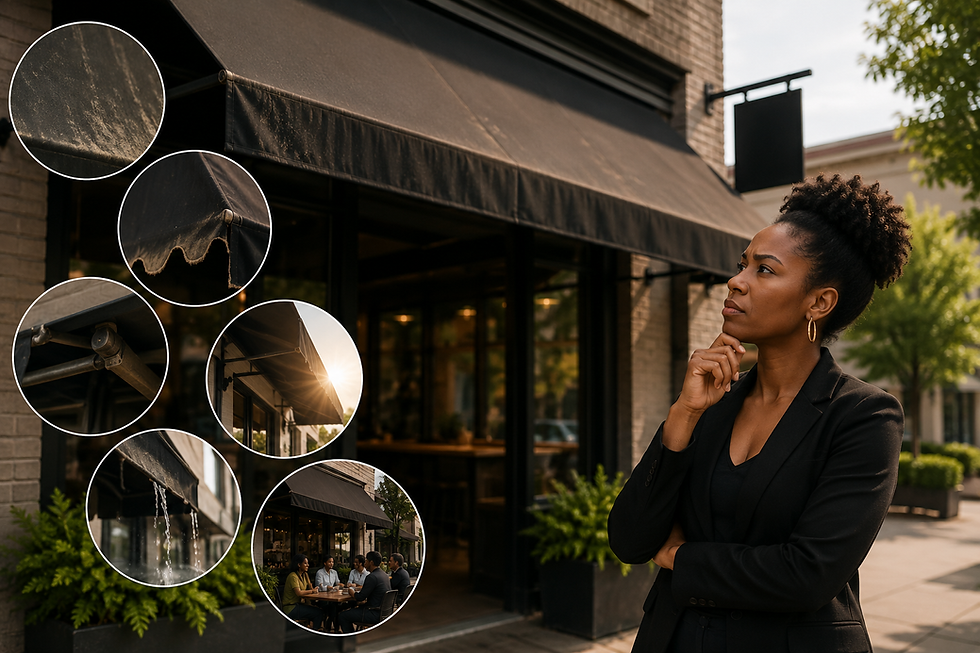
Awnings work well for homeowners who want to shade windows or small patios without major construction. They are also popular for storefronts and cafes to create inviting outdoor seating areas.
What Is a Pergola?
A pergola is an outdoor structure consisting of vertical posts supporting crossbeams and an open lattice roof. It provides partial shade while allowing sunlight and air to flow through.
Key Features of Pergolas
Open roof design: Unlike awnings or canopies, pergolas have slatted roofs that do not fully block sunlight.
Materials: Commonly built from wood, metal, or vinyl.
Size: Can cover large areas such as patios, decks, or garden walkways.
Customization: Often adorned with climbing plants, curtains, or retractable canopies for added shade.
Benefits of Pergolas
Aesthetic appeal: Pergolas add architectural interest and can enhance landscaping.
Versatility: They create defined outdoor rooms without fully enclosing the space.
Natural light: The open roof lets in sunlight while offering some relief from direct rays.
Ideal Uses
Pergolas suit those who want a stylish outdoor feature that blends with nature. They work well for garden paths, poolside lounges, or dining areas where some sunlight is welcome.
What Is a Canopy?
A canopy is a freestanding or portable structure with a fabric roof supported by poles or a frame. It provides full shade and shelter from sun and rain.
Key Features of Canopies
Portable or permanent: Canopies can be temporary setups like pop-up tents or permanent fixtures with solid frames.
Full coverage: The fabric roof covers the entire area beneath, blocking sunlight completely.
Materials: Usually made from waterproof polyester or canvas.
Variety of sizes: From small personal shelters to large event tents.
Benefits of Canopies
Flexibility: Easy to move or store when not in use.
Weather protection: Offers full shelter from sun and rain, making outdoor activities more comfortable.
Quick setup: Ideal for events, markets, or temporary shade needs.
Ideal Uses
Canopies are perfect for outdoor events, camping, or backyard parties where temporary or movable shade is needed. They also serve well as carports or market stalls.
Comparing Awnings, Pergolas, and Canopies
| Feature | Awning | Pergola | Canopy |
|-------------------|--------------------------------|--------------------------------|--------------------------------|
| Attachment | Mounted on building wall | Freestanding | Freestanding or portable |
| Roof type | Solid fabric | Open lattice | Solid fabric |
| Shade level | Full shade | Partial shade | Full shade |
| Portability | Fixed or retractable | Fixed | Portable or fixed |
| Materials | Fabric and metal or wood frame | Wood, metal, vinyl | Fabric and metal or plastic frame |
| Typical use | Window/door shading, patios | Outdoor rooms, garden features | Events, temporary shelter |
Choosing the Right Option for Your Space
Consider these factors when deciding between an awning, pergola, or canopy:
Purpose: Do you want full shade or partial sunlight? For full shade, awnings and canopies work best. For filtered light, choose a pergola.
Location: If you want to attach the structure to your home, an awning fits well. For standalone features, pergolas and canopies are better.
Permanence: Canopies offer flexibility with temporary use. Pergolas and awnings are more permanent.
Style: Pergolas add architectural beauty and can support plants. Awnings provide a sleek, functional look. Canopies focus on practicality.
Budget: Awnings and canopies tend to be more affordable. Pergolas often require more investment due to materials and installation.
Practical Examples
A homeowner with a small patio might install a retractable awning to enjoy shade on sunny days and open views when desired.
A family with a large backyard could build a wooden pergola over their deck, adding climbing vines for a natural canopy.
An event organizer might use pop-up canopies to provide shade for outdoor markets or festivals, setting them up and taking them down as needed.
Each option offers unique benefits that suit different lifestyles and outdoor needs.
#Awnings #PergolaDesign #OutdoorCanopy #ShadeSolutions #OutdoorLiving #PatioDesign #HomeImprovementTips #ExteriorDesign #BackyardGoals


Comments