

Understanding Awnings: The Essential Beginner's Guide to Outdoor Shade Solutions

When the sun is blazing or a light rain starts, having a reliable outdoor shade can transform your patio, deck, or storefront into a comfortable retreat. Awnings offer a practical and stylish way to create shade and shelter outdoors. But what exactly is an awning, and how can you choose the right one for your space? This guide breaks down everything beginners need to know about awnings and outdoor shade solutions.
What Is an Awning?
An awning is a secondary covering attached to the exterior wall of a building. It typically consists of a frame with a fabric or metal cover stretched over it. The main purpose of an awning is to provide shade and protection from the elements such as sun, rain, and wind. Awnings extend outward from windows, doors, patios, or storefronts to create a sheltered area.
Awnings come in various styles and materials, but all serve the same basic function: to improve outdoor comfort and protect interiors from harsh weather. They can be fixed or retractable, manual or motorized, and designed to fit different architectural styles.
Types of Awnings
Understanding the different types of awnings helps you decide which one fits your needs best. Here are the most common categories:
Fixed Awnings
Fixed awnings are permanently attached to a building and do not move. They are sturdy and low maintenance, often made from metal or durable fabric. These awnings provide constant shade and protection but cannot be retracted when not needed.
Retractable Awnings
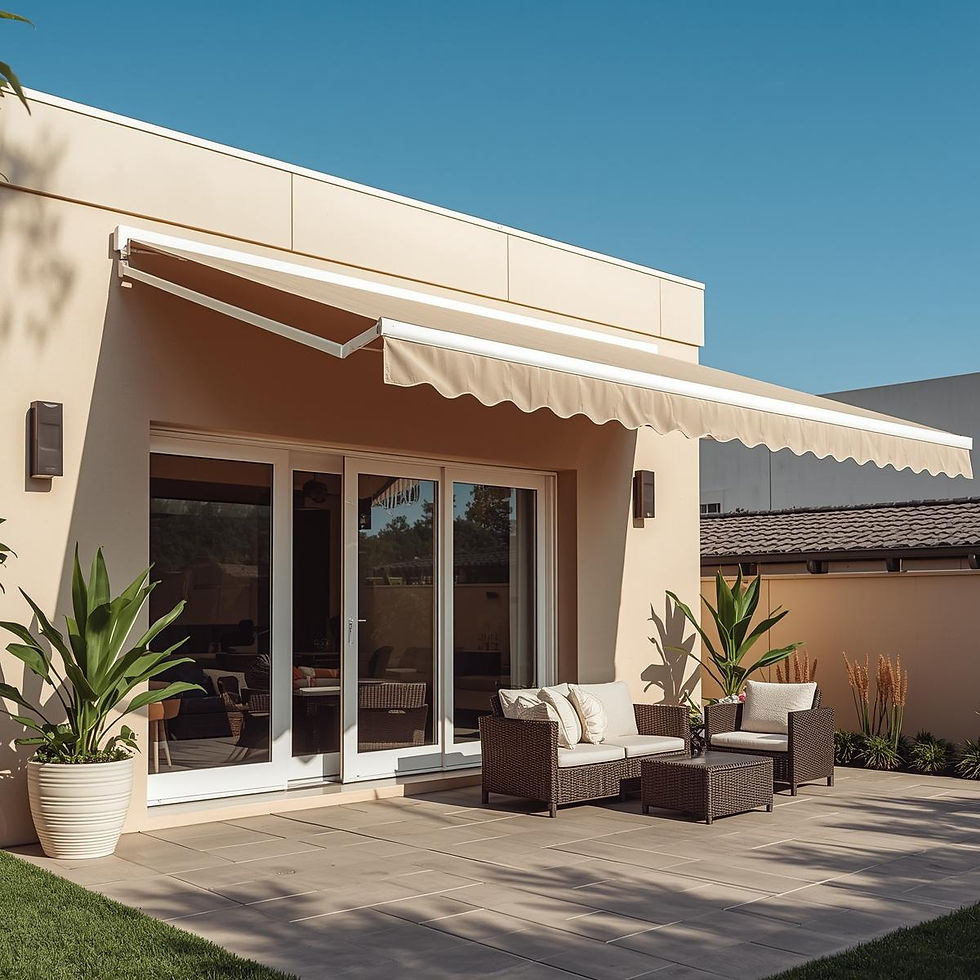
Retractable awnings can be extended or retracted as needed. They offer flexibility, allowing you to enjoy the sun when you want or create shade quickly. These awnings usually have a manual crank or motorized system for easy operation. Retractable awnings are popular for patios and decks.
Freestanding Awnings
Freestanding awnings are not attached to a building. Instead, they have their own support structure and can be placed anywhere outdoors. These are ideal for creating shade in gardens, pool areas, or open spaces where wall attachment is not possible.
Dome and Window Awnings
Dome awnings have a rounded shape and are often used over windows or doors for decorative and functional purposes. Window awnings help reduce heat inside by blocking direct sunlight and can add curb appeal.
Materials Used in Awnings
The choice of material affects durability, appearance, and maintenance. Common materials include:
Fabric: Acrylic, polyester, and vinyl-coated fabrics are popular for their flexibility and variety of colors. They resist fading and water but may require occasional cleaning.
Metal: Aluminum and steel provide strong, long-lasting protection. Metal awnings are low maintenance but less flexible in design.
Polycarbonate: This transparent plastic offers UV protection while allowing light to pass through, ideal for areas where natural light is desired.
Benefits of Installing an Awning
Awnings offer several advantages beyond just shade:
Energy Savings
By blocking direct sunlight, awnings reduce indoor temperatures and lower air conditioning costs.
Protection from Weather
They shield outdoor furniture and flooring from sun damage and rain, extending their lifespan.
Enhanced Outdoor Living
Awnings create comfortable spaces for dining, relaxing, or entertaining outside.
Increased Property Value
Well-chosen awnings improve curb appeal and can boost resale value.
How to Choose the Right Awning
Selecting the perfect awning depends on your specific needs and space. Consider these factors:
Purpose
Decide if you want shade, rain protection, or both. Retractable awnings offer versatility, while fixed awnings provide constant shelter.
Size and Placement
Measure the area carefully. The awning should cover the desired space without overwhelming the building’s facade.
Material and Color
Choose materials that suit your climate and maintenance preferences. Light colors reflect heat, while darker shades absorb it.
Operation
Manual awnings are budget-friendly but require effort. Motorized options offer convenience but cost more.
Style
Match the awning design with your home or business architecture for a cohesive look.
Installation and Maintenance Tips
Proper installation ensures safety and longevity. Hiring a professional is recommended, especially for large or motorized awnings. Here are some maintenance tips:
Regular Cleaning
Remove dirt and debris with mild soap and water. Avoid harsh chemicals that can damage fabric or metal.
Inspect for Damage
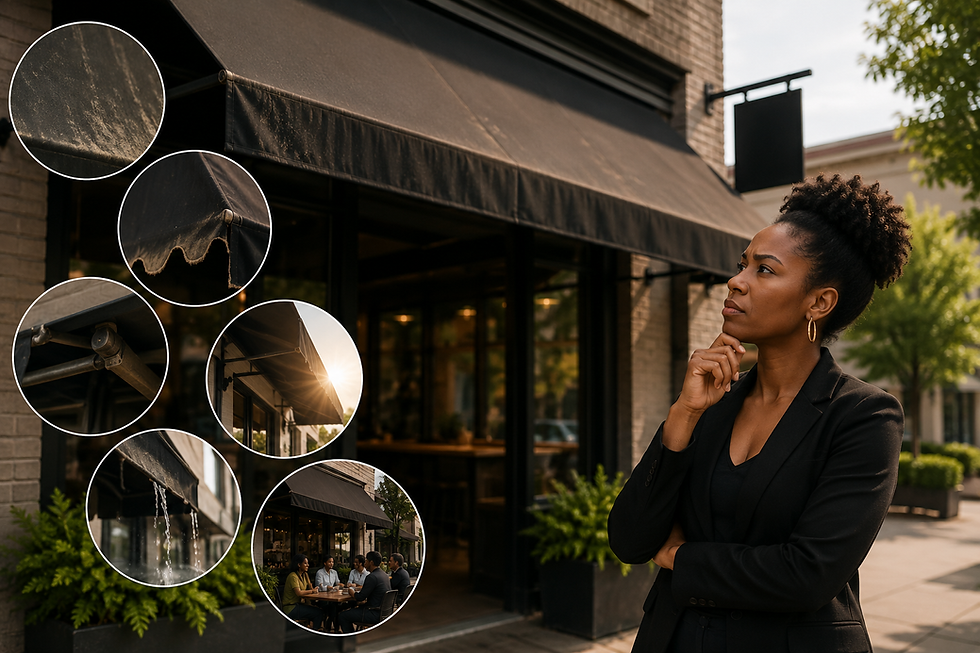
Check for tears, rust, or loose fittings periodically. Address issues promptly to prevent further damage.
Retract During Storms
If you have a retractable awning, retract it during strong winds or heavy snow to avoid damage.
Practical Examples of Awning Use
A family uses a retractable awning over their patio to enjoy sunny days without overheating and retracts it on cloudy days.
A café installs fixed metal awnings over outdoor seating to protect customers from rain and sun, increasing business during all seasons.
A homeowner adds dome awnings above windows to reduce glare inside and add a decorative touch to the house exterior.
#OutdoorLiving #HomeImprovement #ShadeSolutions #Awnings #PatioDesign #BackyardInspo #OutdoorMakeover #GardenDesignIdeas #OutdoorComfort #SunProtection


Comments